
Article 1: The Timeless Magic of Minimalist Fashion: Less Is Always More in 2026
In an era dominated by fast fashion chaos, viral micro-trends, and over-saturated social media aesthetics, minimalist fashion has emerged not just as a style choice, but as a powerful lifestyle revolution. For years, the fashion industry has pushed consumers to chase endless new arrivals, bold prints, exaggerated silhouettes, and flashy accessories, convincing people that more clothing, more patterns, and more embellishments equal better style. However, modern fashion enthusiasts, luxury designers, and style icons are collectively shifting toward a simpler, more intentional way of dressing—one that centers quality, versatility, and timeless elegance over fleeting trends. Minimalist fashion, often summarized by the iconic phrase “less is more,” has solidified its place as the most enduring, sophisticated, and practical aesthetic of 2026, proving that true style never needs to shout to be noticed.
Minimalist fashion is far more than just wearing plain black and white outfits or eliminating color from your wardrobe. At its core, it is a mindful approach to fashion that prioritizes purpose over excess, quality over quantity, and versatility over novelty. A true minimalist wardrobe consists of carefully curated staple pieces that work harmoniously together, eliminate decision fatigue, and withstand the rapid cycle of seasonal fashion trends. Unlike micro-trends that fade within weeks, minimalist styling evolves slowly, adapting to personal growth, body changes, and lifestyle shifts without ever feeling outdated or irrelevant. This is why top celebrities, fashion editors, and luxury influencers consistently rely on minimalist outfits for red carpet events, daily wear, and professional settings alike.
To understand the enduring power of minimalism in fashion, we must trace its roots back to mid-20th-century design movements that redefined modern style. In the 1960s and 1970s, designers like Coco Chanel and Yves Saint Laurent revolutionized women’s fashion by abandoning the overly ornate, restrictive silhouettes of previous decades. Chanel’s little black dress, tailored blazers, and simple tweed sets introduced the world to understated luxury, proving that clean lines and perfect tailoring could be more powerful than elaborate embroidery and bold patterns. Yves Saint Laurent’s neutral-toned ready-to-wear collections further reinforced this idea, focusing on structured shapes, high-quality fabrics, and wearable elegance for everyday life.
As fashion entered the 21st century, minimalism evolved from a high-fashion concept into a mainstream lifestyle staple. Brands like The Row, Jil Sander, Uniqlo, and Everlane built their entire brand identity around minimalist principles, offering timeless pieces designed to last for years rather than one season. In recent years, the rise of slow fashion and sustainable consumerism has further catapulted minimalism to the forefront of the industry. Shoppers are no longer willing to fill their closets with cheap, poorly made fast fashion items that fall apart after a few wears and end up in landfills. Instead, modern consumers invest in timeless, durable pieces that offer long-term value, aligning their fashion choices with environmental consciousness and mindful spending.
One of the greatest benefits of minimalist fashion is its ability to eliminate wardrobe chaos and decision fatigue. The average person spends countless hours every week deciding what to wear, overwhelmed by overflowing closets full of mismatched, trend-driven clothing that rarely fits together. A minimalist wardrobe solves this problem entirely by focusing on a cohesive color palette, neutral tones, and interchangeable staple pieces. Core minimalist colors—black, white, cream, beige, taupe, charcoal gray, and soft brown—create a seamless foundation for every outfit, allowing every piece to pair effortlessly with one another. Whether you are dressing for work, a casual weekend outing, a formal event, or a travel day, a minimalist wardrobe offers endless polished combinations without the stress of styling.
The key to mastering minimalist fashion lies in prioritizing fabric quality and tailoring over decorative details. Minimalist outfits rely on the texture, drape, and structure of high-end materials to create visual interest, rather than relying on prints, logos, sequins, or ruffles. Premium fabrics such as organic cotton, linen, cashmere, wool, silk, and tailored twill elevate simple silhouettes and add subtle depth to every look. A well-tailored white button-down shirt made of crisp cotton will always look more sophisticated than an oversized, ill-fitting printed top, just as a structured wool blazer in neutral beige will outshine any trendy embellished jacket season after season.
Many people mistakenly believe that minimalist fashion is boring, monotonous, or lacking creativity, but this could not be further from the truth. Minimalism encourages intentional creativity, challenging wearers to play with proportions, layers, textures, and subtle accessories to elevate simple outfits. For example, a basic white tank top and high-waisted black trousers can be transformed from casual to elegant with a longline wool coat, a delicate gold necklace, and structured leather loafers. Swapping loafers for strappy leather sandals and adding a woven tote bag instantly turns the same outfit into a fresh summer daytime look. The versatility of minimalist staples allows for endless styling variations, making every outfit feel unique and personalized.
In 2026, modern minimalism has evolved to embrace soft modern twists that keep the aesthetic fresh and relevant. Contemporary minimalist fashion no longer strictly adheres to only neutral tones; soft muted hues like sage green, dusty blue, terracotta, and pale lavender have become popular additions to minimalist wardrobes, adding subtle color without overwhelming the clean aesthetic. Additionally, oversized relaxed silhouettes, lightweight layering, and mixed texture combinations have become signature elements of current minimalist styling. The contrast between a smooth silk camisole and textured linen trousers, or a chunky knit sweater and sleek tailored pants, creates sophisticated visual dimension while maintaining the clean, uncluttered look minimalism is known for.
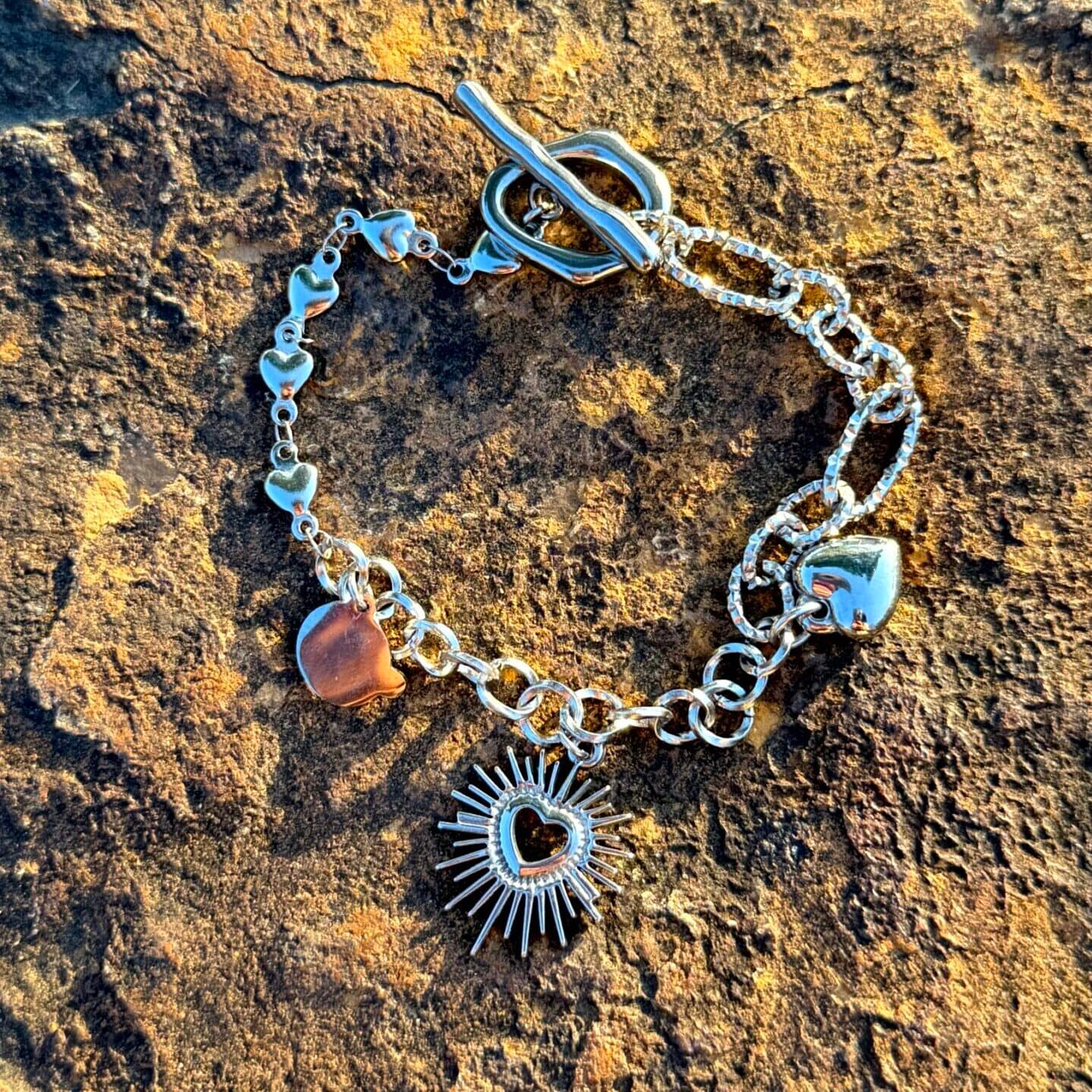
Accessories play a critical role in perfecting minimalist outfits, serving as the final polished touch that elevates simple clothing into high-fashion looks. Minimalist accessories follow the same “less is more” principle, focusing on delicate, timeless, and high-quality pieces rather than statement over-the-top items. Dainty gold or silver layered necklaces, thin hoop earrings, simple minimalist watches, and sleek leather belts complement every outfit without creating visual clutter. Bags and shoes also follow minimalist design rules: structured leather tote bags, minimalist crossbody purses, clean white sneakers, leather ankle boots, and classic pointed-toe flats are timeless choices that pair with every staple in your wardrobe.
Beyond aesthetics, minimalist fashion fosters a healthier, more intentional relationship with clothing and personal style. In a world that constantly pushes consumerism and the need to constantly update one’s wardrobe, minimalism teaches wearers to value quality over quantity, self-expression over societal trends, and confidence over external validation. When your wardrobe consists of timeless pieces that fit your body, lifestyle, and personal taste perfectly, you no longer feel the pressure to chase every new fashion trend. You develop a consistent, signature style that feels authentic and effortless, boosting confidence and simplifying daily life.
Minimalist fashion is also incredibly inclusive and adaptable to all body types, ages, genders, and lifestyles. Unlike many trendy aesthetics that cater to specific body shapes or age groups, minimalist clean lines, neutral palettes, and versatile silhouettes flatter every figure. Whether you prefer oversized relaxed fits or tailored structured pieces, minimalist styling can be adjusted to suit your comfort level and personal preference. It is a universal style that works for students, working professionals, parents, retirees, and fashion enthusiasts alike, proving that true elegance has no age, size, or gender boundaries.
As the fashion industry continues to shift toward sustainability and mindful consumption, minimalist fashion will only grow in popularity and relevance. Fast fashion’s harmful environmental impact, waste production, and unethical labor practices have pushed more consumers to adopt slow fashion habits, and minimalism is the perfect foundation for a sustainable wardrobe. By investing in fewer, higher-quality pieces that last for years, consumers reduce textile waste, lower their carbon footprint, and support ethical fashion practices. Minimalist fashion is not just a trend for 2026—it is a permanent, future-proof lifestyle choice that will continue to define sophisticated, conscious style for decades to come.
In conclusion, minimalist fashion’s timeless magic lies in its simplicity, versatility, and intentionality. It strips away the noise of fleeting fashion trends and allows personal confidence, quality craftsmanship, and subtle elegance to take center stage. Whether you are new to minimalist styling or looking to refine your existing wardrobe, embracing the “less is more” philosophy will transform the way you dress, simplify your daily routine, and help you build a timeless, polished personal style that never goes out of fashion. In a world of constant change and overstimulation, minimalist fashion is the calm, sophisticated constant that every modern wardrobe needs.